

New curbs on currency speculation and direct dollar supply to oil companies gave the rupee its best rally in six months. But record foreign outflows and oil above $100 mean the pressure remains.
The Reserve Bank of India has given the rupee its best week in months by changing the rules of the market rather than defending a price.
The currency rose about 1% on Monday to around 95.77 per dollar, from 96.73 on Friday, its biggest single-day gain since April. It extended the recovery on Tuesday, opening at 95.53 and strengthening to 94.96 in early trade. Only a week earlier it had slipped close to its record low of 96.96, set in May.
What changed
The rally followed measures announced on Saturday, 10 October, aimed at the main sources of dollar demand.
The most important targets oil. India’s state-run oil marketing companies buy large amounts of dollars every day to pay for crude imports, and that steady buying has weighed on the rupee. The RBI has set up arrangements to meet their foreign-exchange needs directly, removing a large and predictable buyer from the open market.
The second set of measures targets speculation. The RBI barred banks from allowing companies to rebook cancelled rupee-linked derivative contracts, a practice that let traders repeatedly bet on rupee weakness. It also lowered the size of currency transactions that can be done without an underlying business need. Traders said state-run banks also sold dollars on Monday, likely on the RBI’s behalf, adding to the gains.
Finance Minister Nirmala Sitharaman said the RBI would keep working to prevent sharp swings in the currency.
Slip side
The rupee had fallen about 6.5% against the dollar in 2026 before the measures. Three forces drove that decline.
The first is oil. Conflict in West Asia has kept crude expensive, and India imports most of its oil. On Wednesday, Brent rose to about $107 a barrel after attacks on Saudi Aramco facilities, and Indian airlines cancelled flights to Saudi cities until 17 October.
The second is capital flight. Foreign investors have pulled more than $30 billion from Indian shares this year, converting rupees into dollars as they leave.
The third is behaviour. Importers rushed to hedge against further weakness, while exporters held on to dollar earnings expecting better rates later. That combination fed the very depreciation both sides feared.
Will the fix work
The RBI’s steps attack the third problem directly and ease the first. They do little about the second. Analysts say the measures raise the short-term cost of betting against the rupee but do not change the country’s underlying balance of payments. If foreign investors keep selling and oil stays above $100, the pressure will return.
There is also a cost for Indian companies. Tighter rules on derivatives make it more expensive and complicated for businesses that rely on imported goods and services to protect themselves against currency swings. Some importers may face higher hedging costs just as the RBI tries to calm the market.
The RBI has used this approach before. In 2013, a combination of rule changes and special dollar windows helped end a currency crisis, but only once global conditions also improved. The same is likely to be true now.
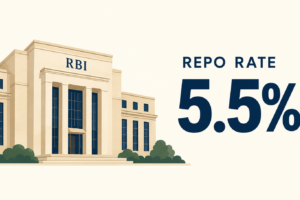
The October rate increase helps by making rupee assets more attractive, and the RBI’s dollar reserves give it room to intervene. The currency’s next test will come from oil prices and whether foreign selling slows.
About The Author